
GLP-1 Weight Loss Medications: Why Nutrition & Lifestyle Still Matter
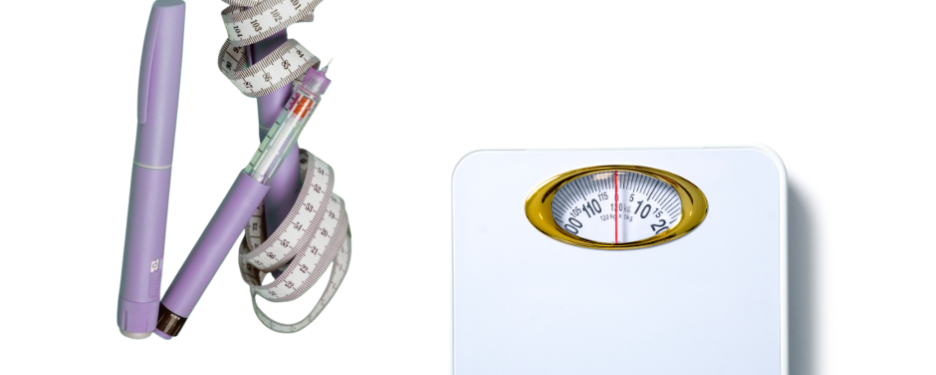
GLP-1 medications such as Wegovy, Ozempic and Mounjaro are increasingly being prescribed for overweight and obesity — and for some people, they can be genuinely helpful.
The World Health Organisation’s latest guidance is clear, however: pharmacotherapy should be paired with healthy diet and lifestyle support. Medication alone is not considered sufficient for safe or sustainable weight management.
As a UK-based, BANT-registered nutritional therapist, this is where I support clients — whether they are already taking GLP-1s, considering them, or thinking ahead to life after medication.
What do GLP-1 medications actually do?
GLP-1 (glucagon-like peptide-1) is a hormone released in response to food. It plays a role in:
-
Appetite regulation via the hypothalamus
-
Slowing gastric emptying
-
Improving insulin regulation
Medications like semaglutide (Wegovy) mimic this hormone, reducing hunger and helping people eat less. Mounjaro goes a step further, acting on both GLP-1 and GIP — another hormone involved in insulin sensitivity.
This partly explains why these medications can be effective — particularly in people with insulin resistance.
What we don’t yet know
It’s also important to be honest about the unknowns:
-
We don’t yet have long-term safety and longevity data
-
It’s unclear how long many people will remain on these medications
-
A rebound effect is common when medication is stopped
-
Side effects are frequent, particularly digestive ones
Why nutrition support matters on GLP-1s
GLP-1 medications don’t remove the body’s need for:
-
Adequate protein
-
Micronutrients
-
Muscle and bone protection
-
Digestive resilience
Slowed gastric emptying and altered bile flow can increase the risk of:
-
Nausea, bloating and reflux
-
Gallbladder issues and gallstones
-
Compromised fat-soluble vitamin absorption
-
Gut lining irritation (bile can be damaging to the mucosa)
This is why nutrient-dense, personalised nutrition is essential — not optional.
Diet and lifestyle factors that influence GLP-1 naturally
Interestingly, many lifestyle factors increase the body’s own GLP-1 production, with or without medication:
-
Protein: supports satiety and GLP-1 release
-
Healthy fats: stimulate bile flow, which influences GLP-1
-
Exercise: both aerobic and resistance training improve GLP-1 and insulin sensitivity
-
Regular eating patterns: improve GLP-1 secretion
-
Gut health: probiotics and SCFA production support hormone signalling
-
Stress regulation: chronic stress can reduce GLP-1 output
Supporting these factors can help:
-
Reduce side effects while on medication
-
Protect muscle and metabolic health
-
Improve the chances of maintaining weight loss after stopping medication
A collaborative approach
GLP-1 medications may be the right choice for some people — but they are not a standalone solution.
My role is not to judge or discourage, but to support:
-
Nutrient sufficiency
-
Digestive health
-
Muscle and bone protection
-
Long-term sustainability
Because whether someone stays on GLP-1s long-term or not, nutrition and lifestyle are what protect health in the long run.